
Suriname’s diverse cultures are shaped by its many ethnic groups, which have deep connections to the land’s original Indigenous peoples. Long before colonization and migration transformed the cultural landscape, these resilient communities thrived in profound harmony with the land, safeguarding traditions that have withstood the test of time. Today, they stand as custodians of a way of life that deeply reveres nature, spirituality, and the bonds of community.
In this post, we will dive into some Indigenous traditions of Suriname, illuminating their intimate connection to the land, their unique cultural practices, and the urgent significance of preserving these invaluable age-old ways in our ever-evolving modern world.
A Deep Connection to the Land

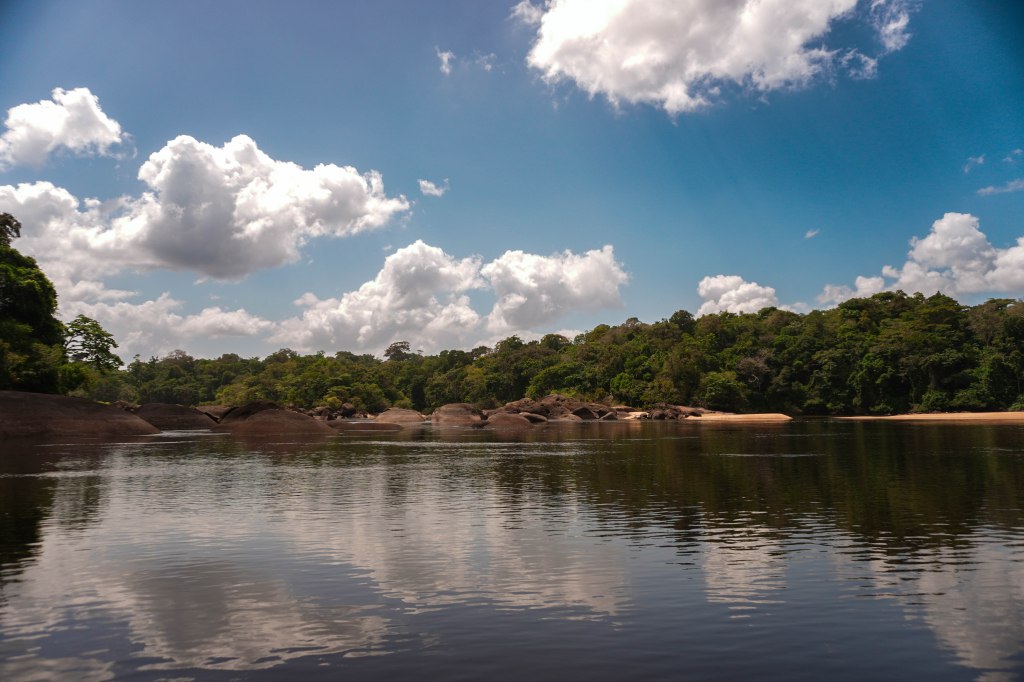
For Suriname’s Indigenous peoples, including the Wayana, Trio, Arawak, and Carib groups, the land is more than a resource; it’s a life-giving force that shapes their spiritual and everyday lives. These communities live in the remote, pristine rainforests of southern Suriname, areas that are home to some of the world’s most diverse ecosystems. Their deep connection to nature is reflected in their sustainable practices of hunting, fishing, ensuring that the land remains bountiful for future generations.
Traditional Indigenous villages rely on shifting cultivation, a practice where small plots of land are cleared for crops and then left to regenerate after a few years. This approach ensures minimal disruption to the forest ecosystem. Similarly, fishing and hunting are conducted with respect to the natural cycles, using techniques that were passed down through generations.
Spiritual Beliefs and Practices
Before the Baptist missionaries began their work in Suriname’s Indigenous villages in the late 19th century, Indigenous spirituality was closely intertwined with nature. The belief in the presence of spirits in natural elements such as rivers, mountains, and trees shaped their understanding of the world. These spirits were seen as guardians of the land, and it was believed that humans had to maintain a harmonious relationship with them to ensure the well-being of the community.
They established missions in the remote areas to spread Christianity and provide education, medical care, and other forms of support. This era of missionary activity in the Indigenous villages in Suriname had lasting impacts on Indigenous cultural practices, education, and religion. The impact of this era can still be seen today as the true Indigenous spirituality and the ways of their ancestors become nothing but a distant memory.
Craftsmanship and Cultural Expression
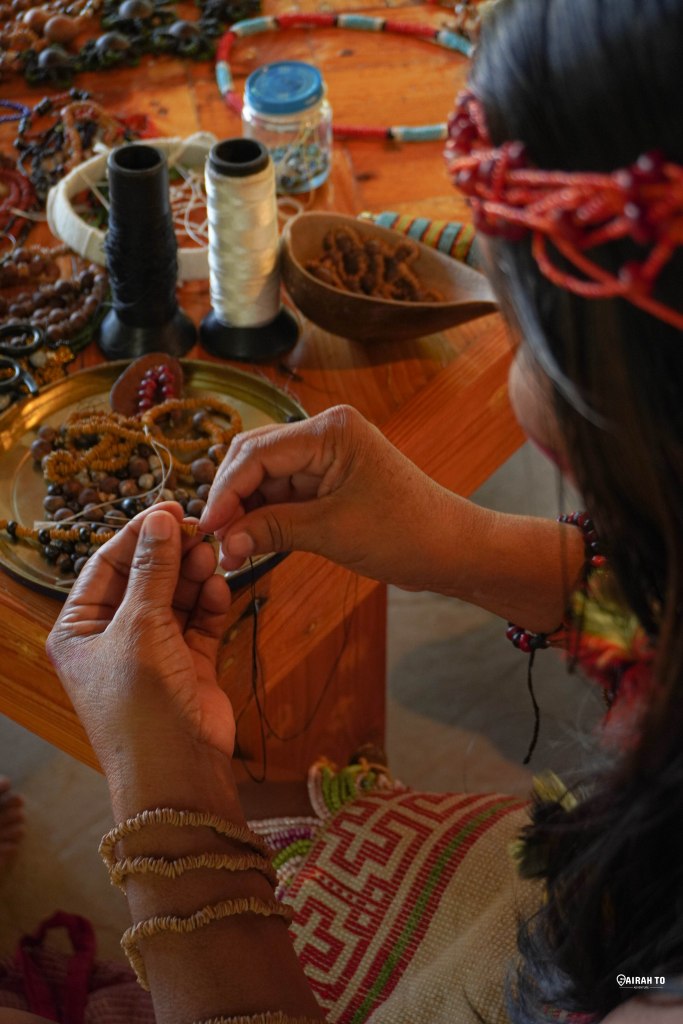
One of the most tangible ways Indigenous traditions are preserved is through craftsmanship. Indigenous women in Suriname are renowned for their intricate beadwork and weaving skills. Using materials sourced from the forest, they create stunning jewelry, baskets, and textiles that reflect their cultural heritage and close relationship with the environment. These items often carry symbolic meanings, with colors and patterns representing aspects of their cosmology and tribal identity.
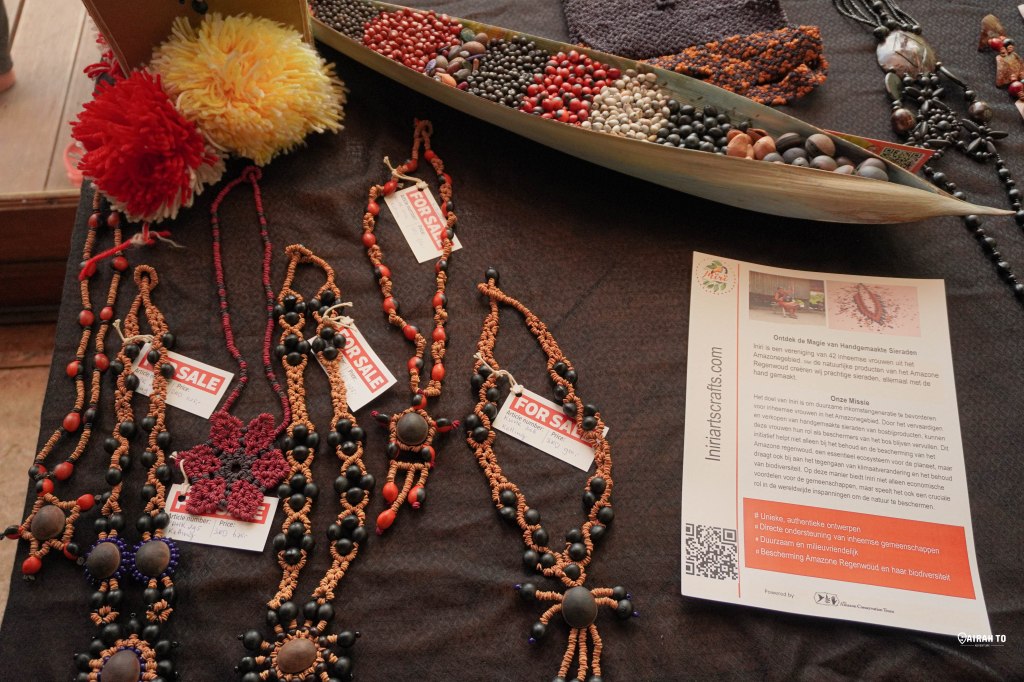
In recent years, projects like Inïrï , an indigenous jewelry line made by women from the villages in the south of Suriname, have gained attention for preserving these craft traditions. Through their handiwork, these women not only sustain their families but also maintain their cultural identity and contribute to the preservation of the rainforest.
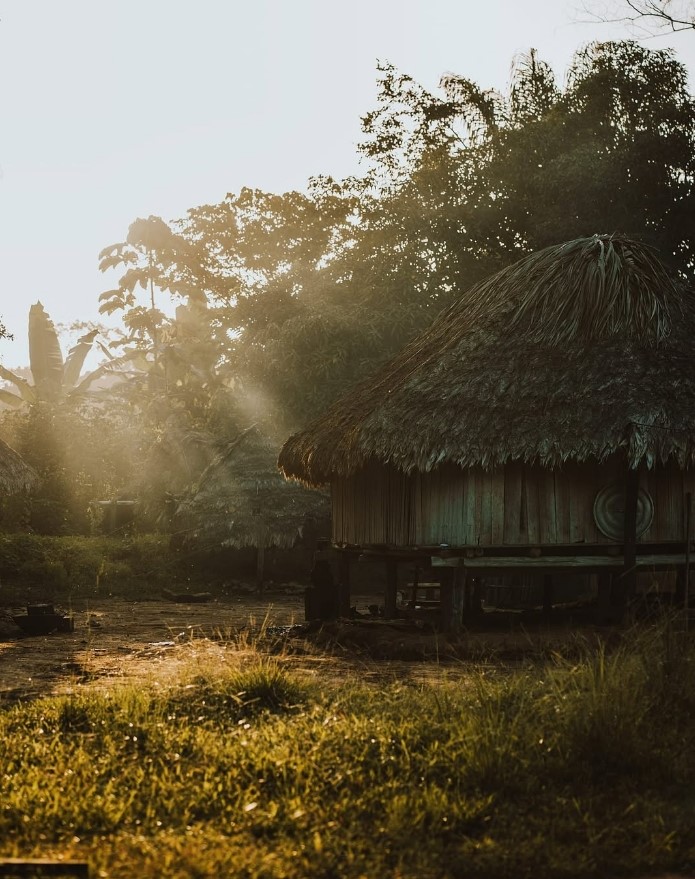
Traditional housing also reflects the Indigenous connection to nature. The traditional homes are built from forest materials like palm leaves, wood, and vines. These structures are designed to blend into the natural landscape, keeping the interior cool during the day and warm at night.
Picture credits:

The Importance of Cultural Preservation
While Suriname’s Indigenous communities have retained some of their cultural identity, globalization and modern development continue pose significant threats to their way of life. Logging, mining, and cutting down forests are invading traditional lands, harming ecosystems and endangering sustainable practices. Additionally, younger generations are increasingly drawn to urban areas, where the allure of modern life can lead to an even bigger loss of cultural knowledge.
Efforts to preserve Indigenous traditions in Suriname are crucial, not just for the survival of these communities but for the protection of the Amazon rainforest. Indigenous knowledge of sustainable living and biodiversity is invaluable in the fight against climate change and environmental degradation.
About the picture:
Credits: Rafael Jantz

Efforts to preserve Indigenous traditions in Suriname are crucial, not just for the survival of these communities but for the protection of the Amazon rainforest. Indigenous knowledge of sustainable living and biodiversity is invaluable in the fight against climate change and environmental degradation.
Tourism also plays a role in sustaining Indigenous traditions, but it must be approached with care. Travelers to Suriname can support eco-friendly and community-based tourism initiatives that allow for respectful engagement with Indigenous cultures. By visiting traditional villages, learning about their customs, and purchasing locally made crafts, visitors contribute to the economic well-being of these communities while fostering cultural exchange.
Dare to dive into this blog post if you want the ultimate guide that could transform your next trip into an unforgettable cultural experience: Suriname Tour Guides – Saïrah To Adventure (sairahtujeehut.com)
Conclusion
The Indigenous traditions of Suriname offer a profound insight into a way of life deeply connected to nature, spirituality, and community. As the first stewards of the land, these peoples have much to teach us about sustainability, respect for the environment, and the importance of preserving cultural identity in an ever-changing world. Through continued efforts to protect their land and traditions, the legacy of Suriname’s Indigenous peoples can thrive, offering future generations the chance to connect with the land and its first inhabitants.
Visiting Suriname not only means exploring its natural beauty but also embracing the cultural wisdom of its Indigenous communities. For those seeking an authentic connection with the land and its history, engaging with these traditions is an unforgettable experience.

 Saïrah To Adventure