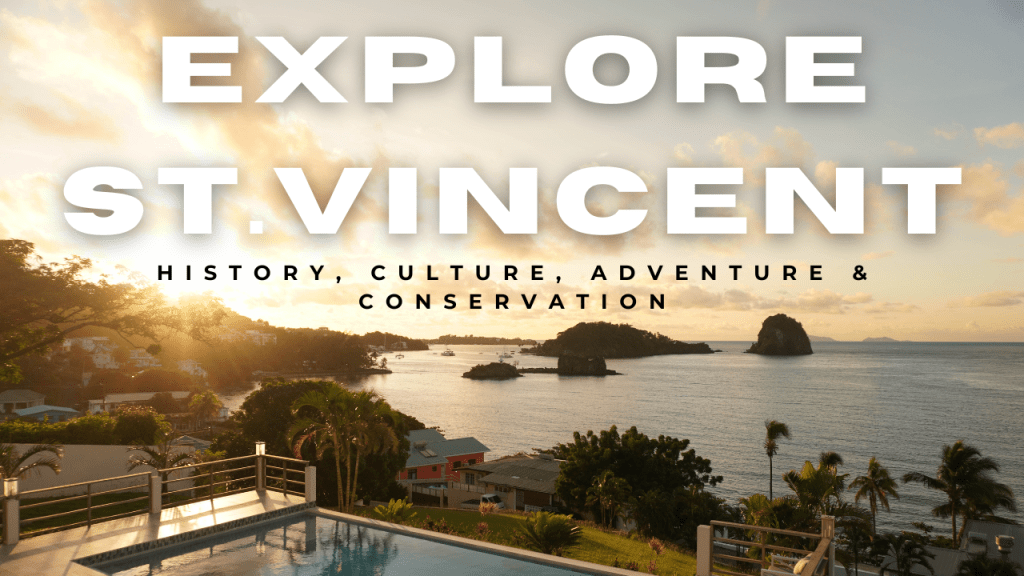
Tucked away in the Caribbean, St. Vincent is more than just a tropical island; it’s a land of resilience, culture, and a history of indigenous roots, colonial conflicts, and the spirit of people who refused to fade. St. Vincent’s history, from the Carib and Arawak people to the influences of African, Indian, and British cultures, forms a rich and captivating mix.
Today, Vincentian culture isn’t just a collection of traditions, it’s a tribute to the strength of its people, expressed through vibrant festivals, soulful music, and time-honored rituals that keep history alive. Here, every beat of the drum and every bite of roasted breadfruit tells a story. As you dive into St. Vincent’s rich cultural heritage, you’ll experience more than just a destination; you’ll feel the pulse of an island that’s as proud as it is beautiful, inviting every visitor to become a part of its ongoing story.
P.S. You won’t want to miss the flight and travel info waiting for you at the end of this blog post.
History & Culture
Indigenous Heritage
The original inhabitants of St. Vincent were the Caribs (Kalina-go) and the Arawaks. The Caribs, who were more dominant on the island, called it “Hairouna”, which translates to “The Land of The Blessed”. In the 17th century, Africans who escaped slavery or survived shipwrecks joined the Caribs and formed a distinct Afro-Caribbean group known as the Black Caribs or Garifuna. Today, the Garifuna culture is a vital part of St. Vincent’s heritage, especially celebrated in music, language, and customs.
European Colonization and Conflict
The island’s strategic location made it highly contested by European powers. The French initially settled on the island, but the British seized control in the late 18th century after a series of wars. Despite strong resistance from the indigenous Caribs and Garifuna, St. Vincent was eventually colonized by the British, who established sugar plantations using enslaved Africans.
Subscribe & never miss another post!
Cultural Influences
- Garifuna Heritage and African Influence: the Big Drum Dance and Garifuna drumming are traditional expressions of Afro-Caribbean heritage, performed at community gatherings and celebrations. These dances are rooted in West African traditions, with rhythmic drumming and symbolic movements that honor ancestors and maintain the memory of resistance.
- Indigenous Carib Influence: traditional agricultural methods and respect for the environment reflect Carib values. Many Vincentians continue to cultivate local crops, like arrowroot and breadfruit, using methods passed down from indigenous practices, maintaining a connection to their ancestral land.
- Colonial and British Influence: today, Vincentian culture retains British colonial influences, particularly in Christian observances and educational structures, but these are often infused with Afro-Caribbean elements, such as in Christmas celebrations and religious gatherings.
- Indian Influence: Indian flavors and dishes, like curry and roti, are now staples of Vincentian cuisine. This cultural blend is also reflected in festivals, where Indian-style cooking and music are often integrated with other Vincentian traditions.
- Nine Mornings Festival: the Nine Mornings Festival is unique to St. Vincent and is believed to have evolved as a blend of Christian tradition with Afro-Caribbean cultural expressions. For nine days before Christmas, people wake before dawn for street festivities, including dances, bicycle riding, sea baths, street concerts, and cultural performances. This festival brings communities together and maintains a tradition that is both a celebration of faith and culture, infused with African and Creole rhythms and storytelling.
- Carnival and Music: Carnival celebrations were initially introduced during colonial times but took on a distinctly Afro-Caribbean character as enslaved Africans used the festivities to express their creativity and resistance through masquerades and music. Vincy Mas, St. Vincent’s vibrant Carnival, features calypso, soca, and steelpan music—genres that blend African, European, and Caribbean elements. The festival includes elaborate costumes, street parades, and competitions that showcase Vincentian talent and creativity, highlighting pride in African heritage. It also includes 4 parades, kids carnival, t-shirt band Street jump up, carnival costumes and j’ouvert.
- Respect for Nature and Community Values: Indigenous and African beliefs fostered a strong reverence for the environment, reflected in cultural attitudes toward agriculture, fishing, and natural conservation. Festivals, gatherings, and social rituals are communal, with practices that emphasize generosity, respect, and unity, celebrating the resilience of the people and their ties to the land.
Vincy Cultural Festivals
1. Vincy Mas (Carnival): Late June to early July
Known as “The Hottest Carnival in the Caribbean,” Vincy Mas is St. Vincent’s lively annual carnival. It combines Caribbean rhythms, masquerades, calypso and soca music, and elaborate costumes, attracting visitors from around the world.
2. Nine Mornings Festival: Nine days before Christmas (December 16–24)
Unique to St. Vincent, the Nine Mornings Festival combines Christian traditions with Vincentian cultural expressions. This early-morning festival brings communities together in joyful anticipation of Christmas.
3. Breadfruit Festival: August
The Breadfruit Festival celebrates the beloved breadfruit, which has deep cultural and historical significance as a staple food in Vincentian cuisine.
During this festival, locals prepare breadfruit dishes in various ways, from roasted breadfruit with fish to creative modern takes. It’s a delicious celebration of Vincentian culinary traditions and community pride.
4. National Heroes & Garifuna Heritage Day: March 14
This day honors Joseph Chatoyer, a Garifuna chief and national hero, who led resistance against British colonization.
It also commemorates the Garifuna people, descendants of Indigenous Caribs and Africans who fiercely resisted colonial rule. It honors their contributions to Vincentian history and cultural identity.
5. Emancipation Day: August 1
Emancipation Day marks the abolition of slavery in the British Caribbean in 1834. It’s a day for reflection, celebration, and honoring the resilience of African ancestors who fought for freedom.
Events include drumming, storytelling, cultural performances, and lectures that explore Vincentian history and African heritage, providing a deep sense of cultural pride.
6. Fisherman’s Day: June 14
Fisherman’s Day celebrates the contributions of Vincentian fishermen to the island’s economy and culture.
Events include fishing competitions, boat races, and a fish fry where locals and visitors can taste freshly prepared fish dishes. It’s a lively, seaside celebration of the island’s fishing traditions and maritime culture.
On this day there’s also what locals refer to as fish fest, with music, cultural performances and the sale of the fish caught, as well as seafood meals.
7. Independence Day: October 27
Independence Day commemorates St. Vincent and the Grenadines’ independence from Britain in 1979.
Celebrations include parades, cultural performances, fireworks, and patriotic events across the islands, with locals displaying pride in their heritage and accomplishments.
8. Easterval (Easter Festival in Union Island): Easter weekend
Held on Union Island, Easterval marks Easter with a blend of local music, sports competitions, and parties.
The festival includes boat races, beach parties, street parades, and live music. It’s a lively time for locals and tourists alike to enjoy the festivities and coastal culture of Union Island.
During Easterval, there is also a regatta where boats sail between Bequia to Union. Locals normally leave the mainland of St. Vincent to go to Bequia for the parties.
9. Bequia Music Festival: Late January
This festival is held on Bequia Island and celebrates Caribbean music in all its forms, from reggae to jazz to soca.
The festival features performances by local and international artists, bringing music lovers together for live concerts by the beach. It’s a relaxed, community-driven festival with a diverse musical lineup.
Must Try Foods
St. Vincent’s food scene is very lively and diverse! From the national dish of roasted breadfruit and fried jackfish to flavorful stews and tropical desserts, the island offers a feast for the senses. Here’s a taste of the island’s unforgettable flavors that every visitor should experience:
- Roasted Breadfruit and Fried Jackfish
- Callaloo Soup: made from callaloo leaves, meat (beef) along with dumplings, you can also add ground provisions (Eddoes, sweet and English potatoes, dashseen, green banana)
- Roasted Pork: a must try for meat lovers
- Pelau: a hearty, one-pot dish of rice, pigeon peas, and chicken, seasoned with local herbs and spices.
- Arrowroot Cake: made with the island’s native arrowroot starch, this cake is light and subtly sweet.
- Breadfruit Puffs: a twist on the roasted breadfruit, these small, fried puffs are made with mashed breadfruit, flavored with herbs, and deep-fried until golden.
- Souse: a pickled pork or chicken dish, marinated in lime juice, onions, cucumber and herbs. It’s also served with breadfruit, green banana and ground provision.
- Saltfish and Ground Provisions
- Bakes (Johnny Cakes)
- Cow Heel Soup

Sightseeing
St. Vincent is packed with incredible sights that showcase the island’s beauty. From lush rainforest trails and hidden waterfalls to charming villages and heritage sites, each spot tells a unique story. These must-visit places reveal the natural wonders and rich traditions that make St. Vincent a true gem in the Caribbean:
- La Soufrière Volcano Hike: try going with a local guide who can share insights about the flora and fauna and the volcano’s history.
- Dark View Falls: visit during the early morning for a quieter experience.
- Layou Petroglyph Park
- Visit the Owia Salt Pond: the surrounding village of Owia is a great place to interact with locals and enjoy traditional dishes. Visit on a weekday to avoid crowds.
- Botanical Gardens in Kingstown
- Black Point Tunnel and Heritage Park: a historic tunnel carved by enslaved Africans in the 19th century, it reflects the island’s colonial past and is now part of a heritage park. Ask a guide more about the tunnel’s history and its connection to the island’s sugar trade. This site often goes unnoticed by tourists.
- Mesopotamia Valley (Meso): explore local farms.
- Explore Barrouallie’s Blackfish Culture: visit the village during their Blackfish Festival.
- Wallilabou Heritage Park: filming location for Pirates of the Caribbean.
- Dine at Jack’s Bar on Bequia
- Brighton Salt Pond
- Fort Charlotte
Nature
St. Vincent’s rainforests are rich in biodiversity, with towering mahogany trees, vibrant heliconias, and dense canopies that shelter various species. You’ll find the endangered St. Vincent parrot (Amazona guildingii), the island’s national bird, and many other rare species that thrive in the forest reserves.
The island’s volcanic origin has created fertile soil, perfect for the lush greenery that blankets much of the landscape. The volcanic terrain has also formed unique rock formations, black sand beaches, and fertile valleys like the Mesopotamia Valley, known as the island’s “breadbasket”.
St. Vincent has both black sand and white sand beaches due to its volcanic history. The black sand beaches, like those around Richmond and Wallilabou Bay, are strikingly beautiful and unique to volcanic islands.
Waterfalls
- Dark View Falls: Located in Richmond, Dark View Falls is one of the island’s most popular waterfall destinations. It consists of two cascading falls that plunge over rocky cliffs into a shallow pool below. Surrounded by bamboo groves and lush greenery, it’s a picturesque spot for swimming or picnicking. A bamboo bridge adds a scenic touch, enhancing the adventure of reaching the falls.
- Falls of Baleine: Accessible primarily by boat along the northwestern coast, this secluded waterfall is surrounded by cliffs and rainforest.
- Vermont Nature Trail and Waterfall: This trail, located in the Vermont Forest Reserve, offers both hiking and the chance to experience the island’s pristine natural beauty up close.
- Trinity Falls: A bit more remote, Trinity Falls is tucked away in the central part of St. Vincent. Known for its three cascades, this waterfall flows into a larger river pool that’s great for adventurous swimmers. The trail to Trinity Falls is rugged and requires a guide, making it a favorite for thrill-seekers looking for a more challenging hike.
Rivers and Salt Ponds
In addition to waterfalls, St. Vincent has several rivers that flow down from La Soufrière and other mountain areas, creating natural pools and providing fresh water sources for local communities. The Owia Salt Pond, a natural rock pool filled with seawater, is another unique feature on the island’s northeastern coast. The salt pond is formed by volcanic rocks, which create a calm, shallow pool ideal for soaking and relaxing while taking in the coastal views.
Conservation
St. Vincent and the Grenadines has a growing commitment to nature conservation, recognizing the importance of preserving its unique ecosystems, especially with the environmental pressures of tourism and climate change. The country has implemented various policies, established protected areas, and promoted community-led initiatives to safeguard its natural heritage.
1.Protected Areas and Nature Reserves
- St. Vincent has designated several protected areas, including the St. Vincent Parrot Reserve and the Vermont Nature Trail and Forest Reserve, which are crucial habitats for endangered and native species.
- The government and local organizations work to protect critical habitats that house unique flora and fauna, such as the St. Vincent parrot, endangered sea turtles, and coral reefs.
2. Endangered Species Protection
- As the island’s national bird and a critically endangered species, the St. Vincent parrot (Amazona guildingii) is the focus of significant conservation efforts. Strict protections are in place to prevent poaching and habitat loss, with local and international organizations collaborating to ensure its survival.
- Local conservationists monitor and protect nesting sites for endangered sea turtles, including hawksbill, leatherback, and green turtles, especially along less-trafficked beaches.
3. Coral Reef and Marine Conservation
- Marine protected areas, such as Tobago Cays Marine Park, safeguard coral reefs, seagrass beds, and mangroves. These ecosystems are essential for marine biodiversity, as they serve as nurseries for fish and provide habitats for numerous species.
- St. Vincent promotes eco-friendly diving and snorkeling practices. Tour operators are trained to avoid damaging reefs, and visitors are educated on sustainable practices to protect fragile marine ecosystems.
4. Community-Led Initiatives and Education
- Local communities are encouraged to participate in eco-tourism, providing guided tours and activities that are sustainable and respectful of nature. These tours educate visitors on the island’s biodiversity and the importance of conservation.
- Schools and community centers run environmental education programs to raise awareness about the island’s unique ecosystems and the role of conservation. This includes teaching the next generation about the importance of protecting endangered species, reforestation, and pollution reduction.
5. Forest Management and Reforestation
- Programs to replant native trees in degraded areas help restore habitats and combat erosion, particularly on slopes prone to landslides due to volcanic activity. This reforestation is often done in partnership with NGOs and local communities.
- The Vermont Forest Reserve and other protected areas help conserve rainforest regions, which are crucial for carbon sequestration, water regulation, and habitat preservation.
6. Climate Resilience and Disaster Preparedness
- St. Vincent promotes sustainable farming practices, such as organic farming and agroforestry, to reduce the environmental impact of agriculture. These practices also increase resilience to climate change, which poses threats like droughts, hurricanes, and rising sea levels.
- Given its location and volcanic activity, St. Vincent has developed disaster preparedness plans that include environmental protections to reduce erosion and safeguard natural areas in the event of storms or eruptions.
7. Plastic and Waste Management Initiatives
- To reduce plastic waste, the government has implemented bans on single-use plastics and Styrofoam, especially to protect the island’s beaches and marine life.
- Efforts to improve waste management include recycling initiatives and waste reduction education programs, though they’re still developing.
8. Collaboration with International Organizations
- St. Vincent collaborates with international conservation groups such as the World Wildlife Fund (WWF), BirdLife International, and the UN Environment Programme to fund and implement environmental projects, conduct research, and receive technical support on conservation issues.
Flight & Travel Info
Getting to St. Vincent and the Grenadines has become easier with increased flight routes connecting the island to major cities in the Caribbean, North America, and Europe. Here’s a guide to the most convenient options:
1. Direct Caribbean Routes
- From Trinidad: Caribbean Airlines offers direct flights from Port-of-Spain to Kingstown, making it one of the fastest routes for travelers from Suriname & Trinidad. Return tickets on this route typically range from $273 to $316 USD, depending on the season and booking time.
- From Barbados: These flights are primarily operated by airlines like InterCaribbean Airways and have a range of prices depending on the season and booking time. Round-trip fares generally start around USD $257, though prices can vary during peak periods or closer to the travel date.
- From St. Lucia: Travelers from St. Lucia can take direct flights with interCaribbean Airways, which offers competitive fares for this quick journey. Prices for direct flights typically range from $500 to $550 for a return ticket (depending on the season of course).
2. From North America
- From Miami: American Airlines offers a direct flight from Miami International Airport to Argyle International Airport in St. Vincent. Flight prices vary by season, with round-trip tickets ranging from $400 to $800 USD.
3. From the UK and Europe
- Although there are no direct flights from Europe, travelers can connect to St. Vincent via Barbados or Trinidad. Flights from London to Barbados with British Airways or Virgin Atlantic are common, with fares ranging from $700 to $1,200 USD. From Barbados, travelers can take a short flight to St. Vincent.
4. Regional and Budget Options
- Caribbean Airlines, LIAT and interCaribbean Airways serve several Caribbean islands with routes to St. Vincent, offering flexibility for travelers in the region. Budget-conscious travelers can look for deals on these airlines, particularly during off-peak travel times.
Tips for Finding the Best Fares
- Book Early: As flights to St. Vincent can fill up quickly, especially during peak seasons (like summer and holidays), booking a few months in advance can secure better rates.
- Off-Peak Travel: Traveling in the off-season may help you find lower prices, particularly on routes from North America and Europe.
Peak Season & Off-Season
The peak travel season for St. Vincent and the Grenadines is typically from December to April. This period aligns with the dry season, making it ideal for enjoying outdoor activities, beaches, and festivals without the likelihood of rain. During these months, tourists from colder regions flock to the Caribbean, leading to higher accommodation rates and flight prices. This season also coincides with holiday periods like Christmas and Easter, which further increases demand.
In contrast, the off-season runs from June to November, aligning with the Caribbean’s hurricane season, though St. Vincent is less affected by hurricanes than other Caribbean destinations. While there’s a chance of rain and occasional storms, travelers during the off-season can often find more affordable flights and accommodations. Off-season travel can also offer a quieter experience, with fewer crowds at popular spots.
Thank you for joining me on this journey through St. Vincent’s rich history, culture, and natural beauty! There’s so much more waiting for you on this magical island—so why not take the next step and plan your trip? From breathtaking sites to delicious food and vibrant traditions, St. Vincent is calling.
If I missed anything in this post or if there’s something I should correct, please don’t hesitate to reach out to me on Instagram! I’d love to hear from you. Safe travels, and happy exploring!

 Saïrah To Adventure