
Boddies shimmering under the sun in beads, feathers, paint and powder. Speakers blasting soca, filling the air with an electric excitement that ignites your soul. This is the Trinidad Carnival we know and love. But beneath the glitter and glamour lies a story far deeper, one of rebellion, resistance, resilience and freedom.
The History Behind Mas
Trinidad Carnival didn’t begin with corporate sponsors or costume designers. Its roots can be traced back as early as 1823, during the days of French colonization. French plantation owners brought pre-Lenten masquerade balls to the island, exclusive affairs of wealth and excess. But enslaved Africans, barred from participation, observed and transformed.
They created their own parallel celebration, fusing African traditions, drumming, dance, and folklore with elements of European masquerade. These early forms of Carnival were acts of defiance, using mimicry and performance to mock their oppressors and reclaim autonomy over their bodies and narratives.
Carnival, the vibrant celebration we cherish today, known as a ‘bacchanal’, burst into life with the freedom of the slaves in 1838! This moment marks not just the start of a festive tradition but a powerful acknowledgment of resilience and joy. It’s essential to recognize that earlier attempts were made across the country to bring this exhilarating festival to the streets, paving the way for the extraordinary expression of culture and spirit that Carnival embodies today!
The Evolution
By the time the second half of the 19th century rolled around, the once lively festival had unfortunately turned into what a local paper called the “annual abomination” in the busy streets. For three thrilling weeks, it kicked off with the cheerful Christmas celebrations led by the Parang serenaders, who mainly came from Spanish roots. At the same time, the African descendants, after a decade or so of freedom, boldly decided to move their yearly emancipation celebration in August to line up with the lively carnival craziness.
For those who were a bit more posh, these scenes looked like the wild and embarrassing side of the carnival season, and it was mainly because of them that the carnival almost got shut down. So, Carnival ended up just being allowed to go on for three days of fun. They paraded during the three days allowed them, until the clergy complained that they disturbed the houses of worship in the town. As a result, in 1884 the festival was limited to two days as it is today, that is Monday and Tuesday preceding Ash Wednesday.
One cool thing about 19th-century carnivals, compared to what we have now, was that everyone wore masks, which is why they were often called masqueraders. Instead of “carnival,” they just called it the “masquerade.” Back then, there wasn’t any difference in costumes from Monday to Tuesday, and there were no competitions like we see today. The 19th-century masquerade was all about having fun and enjoying life, letting folks “have a good time” however they wanted. Masquerading was more about personal enjoyment than entertaining the crowd, even though onlookers definitely got a kick out of all the antics happening around them.
The Steelpan emerged from banned drumming traditions. Calypso and soca became the heartbeat of the season, both musical genres born from struggle and storytelling. Costumes became more elaborate, mas bands were formed, and “playing mas” became an art form.
By the late 20th century, Carnival had become an economic juggernaut. Today, it contributes hundreds of millions to Trinidad’s economy each year, attracting tens of thousands of visitors from across the globe. Costume packages can cost over $1,000 USD, events run for weeks, and the industry provides jobs for artists, musicians, seamstresses, designers, DJs, and more. But with commercialization came concerns. As Carnival grew, its radical roots risked being forgotten. Its African and working-class origins were often sanitized to appeal to tourists. The original symbolism behind J’ouvert, traditional mas characters like Dame Lorraine, Jab Molassie, and the Midnight Robber all began to fade into the background of Instagramable Carnival Monday glam.
What We Must Remember
Carnival is not just about the fetes. It is not just a time to “get on bad.” It is the living, breathing echo of a people who turned oppression into expression.
Every feathered backpiece is stitched with history. Every wine in the streets is a dance inherited from ancestors who weren’t allowed to dance freely. Every beat of the drum is a heartbeat that colonialism tried to silence.
So, when we celebrate Carnival, we are doing more than “playing mas.” We are honoring survival. We are standing in the place of those who were once chained and saying:
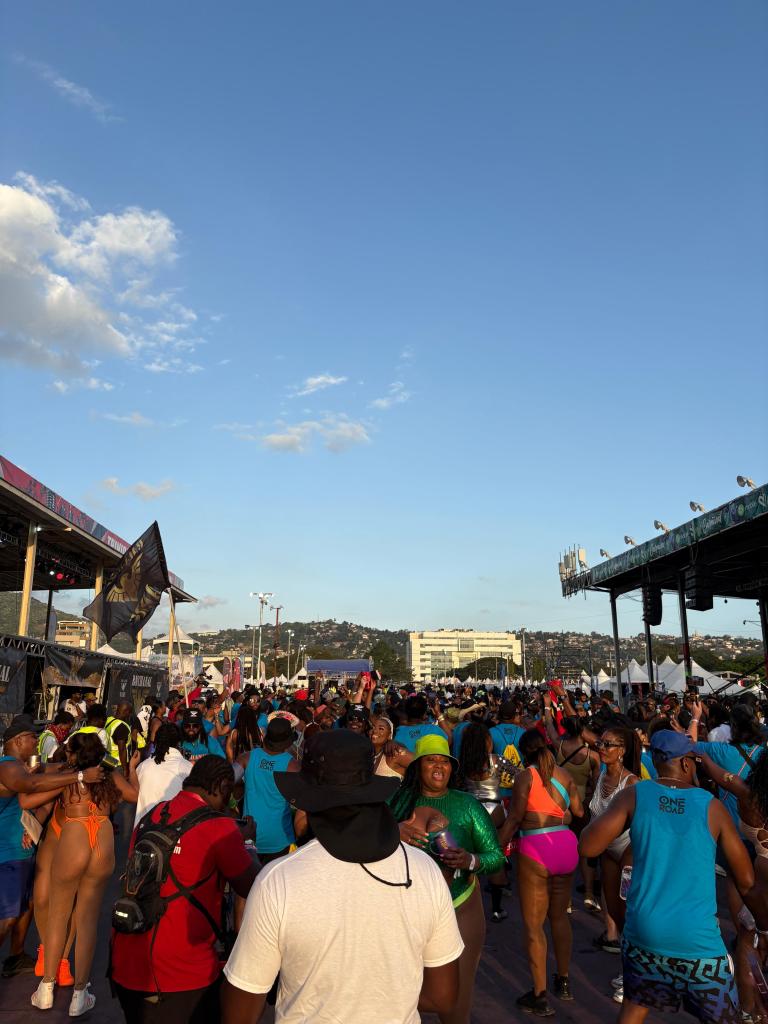
I am free, and I will be seen.
Carnival Bands To Watch Out For
Here are some bands (and a few upcoming ones) you absolutely need to keep your eyes on! Some names are clickable and take you straight to their lively Instagram profiles, where their vibe and passion come to life!
- Trinidad:
- Caesar’s Army (not a carnival band but you definitely should be following them)
- Yuma
- Spirit Mas
- Jamaica:
- Saint Vincent:
- Saint Lucia:
- Fuzion Mas
- Just 4 Fun Carnival
- Xuvo Carnival
- Grenada:
- Miami:
- GenX Carnival
- Pleasures Mas
- UK:
- Rebel International (Jouvert)
- Reign Mas

 Saïrah To Adventure